
Trade Advice & Guides
Flooring Guides & Trade Advice
What we have learned preparing and finishing floors across Brisbane: how trade processes work, what they cost to get right, and what to watch for.
3 min read
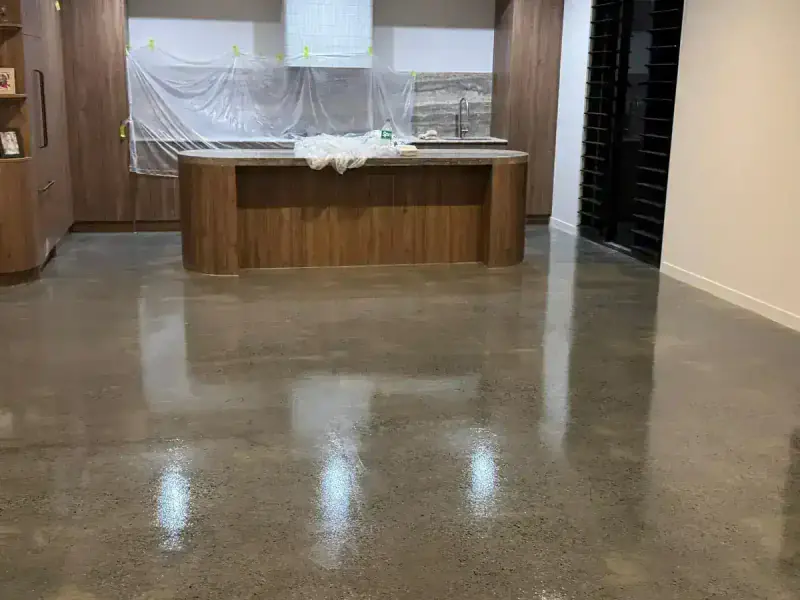
Polished concrete in Brisbane: what it costs and what to expect
How mechanically polished concrete actually works, the finish levels available, what drives the price, and the slab conditions tha...
3 min read
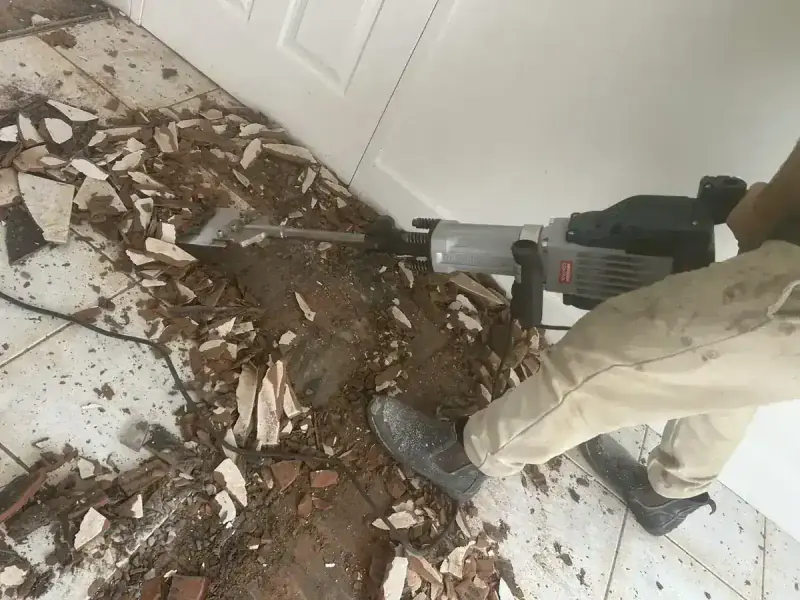
Tile removal without wrecking your house: how low-dust removal works
Why traditional tile removal spreads silica dust through a whole house, how dust-extracted removal differs, and why lifting tiles...
3 min read
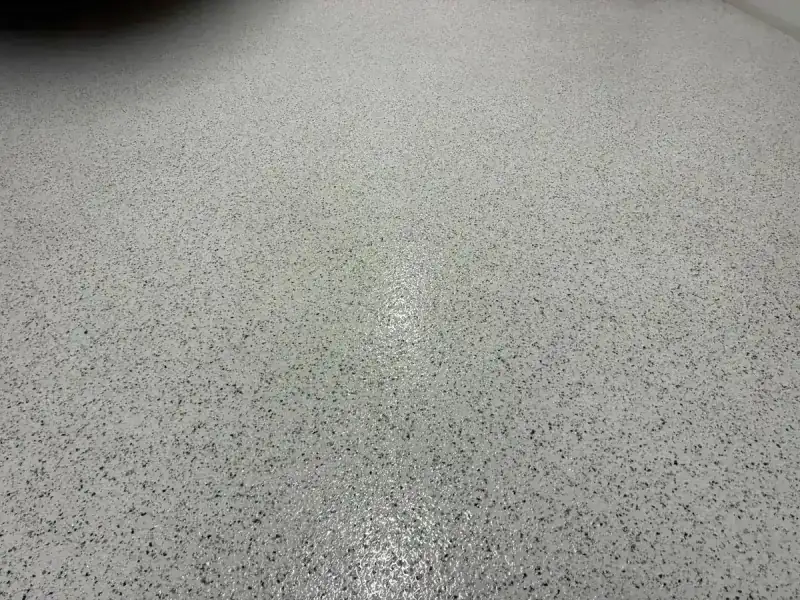
Why epoxy garage floors fail, and how preparation prevents it
Epoxy almost never fails because of the product. It fails because of what was underneath it. Here is what proper slab preparation...
3 min read
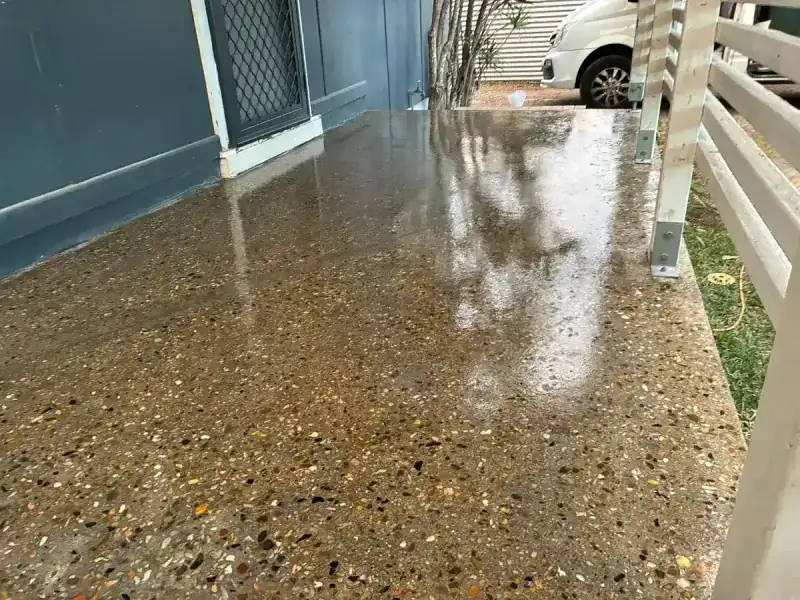
Choosing a concrete sealer for Queensland conditions
Penetrating, acrylic or polyurethane? How the three sealer families differ in appearance, durability and maintenance, and which su...
3 min read
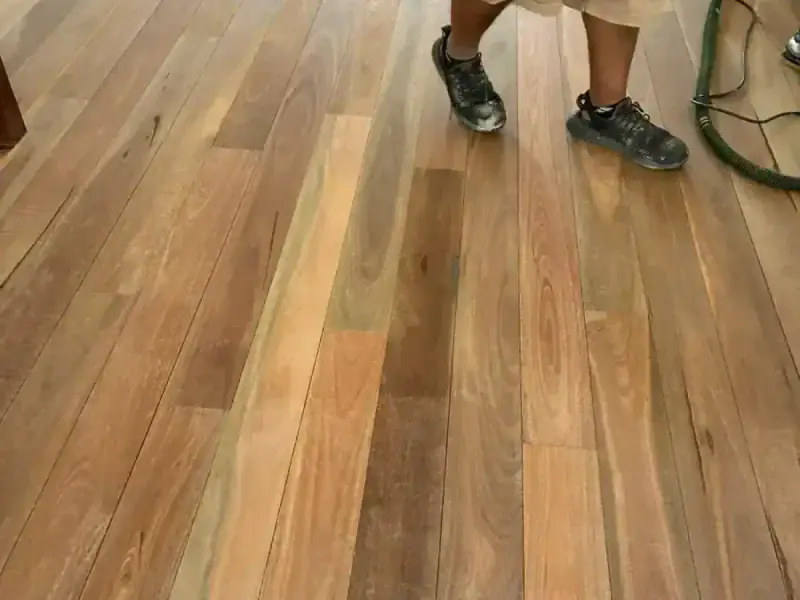
Restoring hardwood floors: when sanding beats replacement
How many times solid hardwood can be sanded, what the process involves, choosing between water-based and solvent finishes, and whe...
Floor Preparation Science & Queensland Trade Insights
Our trade guides are written directly by licensed flooring specialists holding AQF Certificate III qualifications. We break down the real science behind substrate failures, concrete moisture migration, and mechanical surface refinement across South East Queensland. Whether you are planning an architectural mechanically polished concrete floor, specifying commercial resin coatings, or stripping failed ceramic tiles, understanding the underlying chemistry and concrete profile helps you make informed choices that stand the test of time.
Concrete Moisture Science
Subtropical Queensland experiences persistent rainfall and high seasonal humidity. In-situ relative humidity testing (ASTM F2170) is mandatory to identify rising damp before installing epoxy or hybrid planks. Where readings exceed 75% RH, two-pack epoxy moisture barriers prevent adhesive dissolution.
Mechanical vs Chemical Profiling
Chemical acid etching creates variable, unpredictable concrete profiles and leaves harmful acidic salts trapped in the pores. Planetary diamond grinding physically opens the aggregate capillaries to CSP 2–3, providing a clean mechanical anchor pattern for 100% solids epoxy adhesion.
Silica Dust Containment
Respirable crystalline silica (RCS) is an airborne workplace hazard. Standard domestic shop vacuums exhaust fine silica back into the room. We run certified H13 HEPA industrial extractors with automatic pulse-jet filter purging, capturing 99.97% of particles down to 0.3 microns at the cutting head.
AS 1884 Flatness Standards
High spots and slab crowns cause floating floor joints to flex, creak, and eventually disengage. Grinding concrete to AS 1884-2021 specifications ensures flatness within 3mm across any 3.0-metre straight edge, creating an ideal foundation for direct-stick timber, tiles, or vinyl.
Hot Tyre Pickup Protection
When passenger vehicles enter garages after highway driving, hot radial tyres transfer heat and chemical plasticizers into floor coatings. Single-pack acrylic paints soften and bond to the rubber tread, peeling off in patches. Our commercial two-pack epoxy and polyaspartic systems form dense cross-linked chemical matrices that are completely impervious to thermal tyre delamination.
Concrete Hardness & Tooling
Brisbane slabs range from soft, sandy 20 MPa residential concrete to ultra-hard 50+ MPa commercial foundations. Grinding hard concrete requires soft metal-bond diamond segments to continuously release sharp diamonds, whereas soft concrete requires hard-matrix bonds to prevent premature segment wear. We perform Mohs scratch testing on every slab to calibrate tooling before work commences.
Understanding Concrete Surface Profiles (CSP 1 to 9)
The International Concrete Repair Institute (ICRI) defines 9 distinct surface profiles used by architects, engineers, and flooring manufacturers to specify the required concrete roughness before applying toppings, coatings, or adhesives.
Light Chemical Profiling
A fine texture resembling 100-grit sandpaper, suitable only for thin-mil clear penetrative sealers and initial densifier application. Prone to premature coating delamination if subjected to heavy traffic.
Mechanical Diamond Profile
Achieved through coarse 16 to 30-grit planetary diamond grinding. The standard requirement for 100% solids epoxy flake, self-levelling compounds, and commercial moisture barrier primers across Queensland.
Medium Mechanical Anchor
Medium anchor profile revealing sand and fine aggregate textures. Specified for high-build polyurethane cement mortars, heavy-duty commercial kitchen floors, and heavy industrial plant rooms.
Aggressive Structural Profile
Deeply fractured concrete profile showing coarse gravel and stone aggregate. Required for thick polymer-modified concrete screeds, structural slab overlays, and aggressive slope resurfacing.
Essential Trade Questions on Queensland Flooring Science
Why does relative humidity (RH) matter more than moisture meters?
Handheld surface pin meters only measure moisture in the top few millimetres of the slab, which often dries out under sun or air conditioning. In-situ relative humidity probes installed per ASTM F2170 measure internal moisture at 40% slab depth, showing whether deep rising damp will push up under non-breathable vinyl or epoxy coatings once laid.
How does lithium silicate densifier chemically strengthen concrete?
During cement hydration, free calcium hydroxide (lime) remains unreacted within the pore structure, creating soft, dusting concrete. Colloidal lithium silicate penetrates deep into the capillaries and reacts chemically with the free lime to synthesize insoluble calcium silicate hydrate (C-S-H), permanently densifying the slab surface.
What causes hollow sounds under newly installed floor tiles?
Hollow drum sounds occur when tiles debond from the adhesive mortar. The primary culprit is failure to diamond grind concrete laitance and old paint prior to tiling. Without mechanical diamond profiling, tile glue only adheres to the weak surface cream, which shears away under thermal expansion and foot traffic.
What are the workplace regulations for silica dust in Queensland?
Safe Work Queensland mandates an airborne workplace exposure standard (WES) of 0.05 mg/m³ for respirable crystalline silica (RCS). Dry unextracted cutting or grinding of concrete is strictly prohibited by law. SurfacePro operates certified H13 HEPA continuous extraction systems that trap silica at the cutter shroud, maintaining full regulatory compliance.
Ready to get your floors prepped right?
Tell us the suburb, the floor area and what you are after. We will come back with a clear, written quote.